AI Everywhere: From Smarter Ads to Brain-Computer Interfaces
Today’s AI news paints a picture of a technology that’s rapidly weaving itself into the fabric of our daily lives, from how we consume online content to how we might interact with computers in the future. We’re seeing AI enhance existing platforms, create new possibilities, and even venture into the realm of brain-computer interfaces.
First up, prepare for a slightly altered YouTube experience. TechCrunch reports that YouTube will start placing ads after moments the platform identifies as having “peak” viewer engagement, leveraging Gemini AI to pinpoint these instances. The idea is to make ads less intrusive by placing them after exciting or important moments, but it remains to be seen how viewers will actually react. Will it feel like a natural pause, or an unwelcome interruption?
Meanwhile, Google DeepMind continues to push the boundaries of what AI can achieve. Ars Technica details the development of AlphaEvolve, an AI capable of inventing new algorithms. This isn’t just about optimizing existing processes; it’s about AI creating entirely new solutions, with AlphaEvolve already contributing to improvements in Google’s data centers and Tensor chips. This suggests a future where AI isn’t just a tool, but a partner in innovation.
Microsoft is also getting in on the action, with The Verge reporting that Windows 11 is testing “Hey, Copilot!” This wake word activation will allow for hands-free access to the AI assistant, bringing a new level of convenience and integration to the Windows experience.
On the mobile front, 9to5Mac highlights TikTok’s new “AI Alive” filter, which animates static photos using AI prompts. This fun, creative application of AI underscores its growing accessibility and its potential to transform how we engage with social media.
Speaking of Google, TechCrunch notes that they’re testing replacing the “I’m Feeling Lucky” button with an “AI Mode” on their homepage. This would point users towards an experimental AI-powered search feature. It’s a bold move that signals Google’s commitment to AI-driven search experiences. Adding to this, 9to5Google reports that Gemini is coming to Samsung Galaxy Buds 3 and earbuds from Sony, integrating the AI assistant even more deeply into our everyday audio experiences.
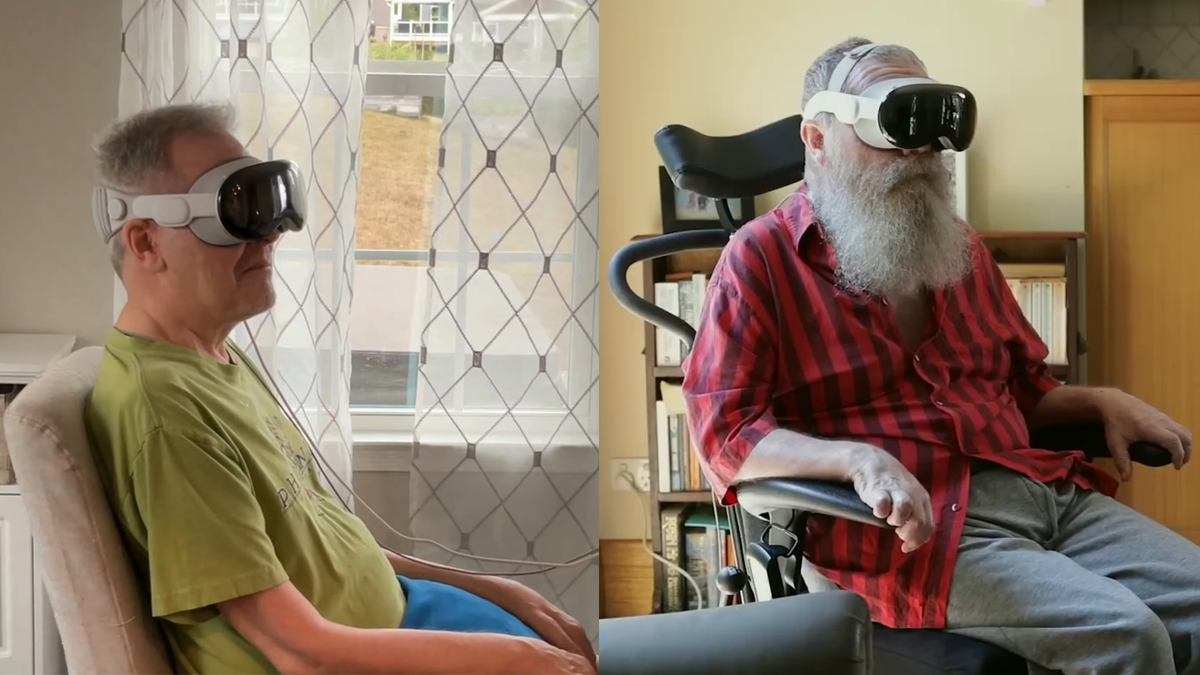
Finally, in a potentially game-changing development, UploadVR announces that the Apple Vision Pro will soon support brain-computer interfaces (BCI), starting with Synchron’s Stentrode. This could open up entirely new ways of interacting with technology, moving beyond traditional inputs and potentially revolutionizing accessibility for people with disabilities.
Taken together, today’s AI news underscores a rapid acceleration of AI’s integration into every aspect of our lives. While some developments, like AI-driven ads, might spark debate, others, like algorithm-inventing AIs and brain-computer interfaces, hint at a future where the line between humans and machines becomes increasingly blurred. Whether that’s a good thing or a bad thing is a question we’ll need to keep asking ourselves as AI continues to evolve.