AI in Today's News: Quantum Music, Siri Settlements, and Safari Search
Today’s AI news covers a range of interesting developments, from the arts to the courtroom and even the future of search. We’re seeing AI seep into new creative territories, facing scrutiny for past privacy issues, and potentially changing how we navigate the internet.
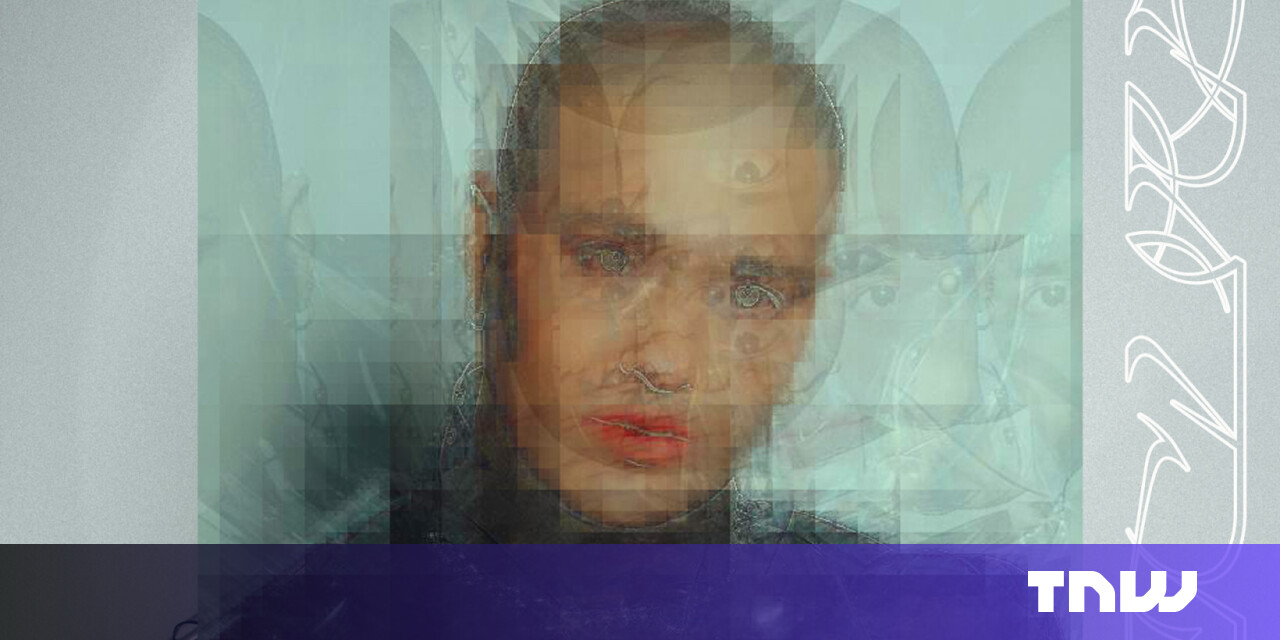
First up, prepare your ears for something truly unique. The Next Web reports that UK startup Moth has released what they’re calling the “world’s first” song created using a quantum computer and AI. The track, titled R, blends the unpredictable nature of quantum physics with AI’s ability to generate musical patterns. It’s a fascinating example of how AI is pushing creative boundaries, potentially opening up completely new avenues for artists and musicians.
In other news, Forbes covers the finalized settlement in the Apple Siri eavesdropping case. Apple users can now file claims for a share of a $95 million payout related to allegations that Siri was recording and storing user audio without proper consent. This serves as a stark reminder of the privacy concerns surrounding AI assistants and the importance of responsible data handling practices. It also underlines the legal ramifications companies face when AI systems overstep privacy boundaries.
Finally, TechSpot highlights comments made by Apple’s Eddy Cue regarding AI’s impact on search. Cue suggested that AI-powered search is coming to Safari and that Google’s search queries are already declining. This signals a potential shift in the search landscape, with AI playing a more prominent role in how we access information online. If Apple integrates AI directly into Safari, it could offer a compelling alternative to traditional search engines, potentially disrupting Google’s dominance.
From composing music to settling lawsuits and reshaping search, AI’s influence is undeniable. As AI continues to evolve, it’s crucial that we carefully consider its ethical implications, protect user privacy, and explore its creative potential responsibly.