AI Takes the Lead: Physics Experiments, Job Replacements, and Apple's Training Secrets
Today’s AI news is a mixed bag, showcasing both the impressive potential and the unsettling implications of rapidly advancing artificial intelligence. From AI designing its own physics experiments to CEOs predicting job displacement, and Apple detailing how they’re training their models, it’s a day of significant developments.
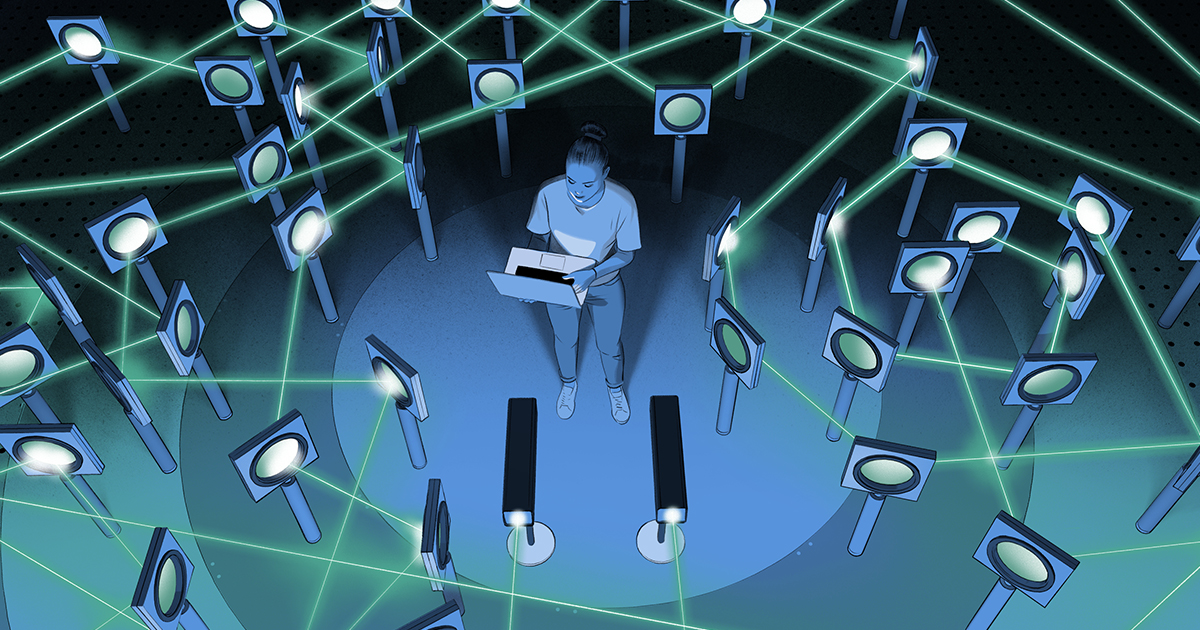
One of the most fascinating stories comes from Quanta Magazine, which reports on how AI software is now capable of designing novel experimental protocols that can actually improve upon the work of human physicists. The AI’s insights even suggest that if these algorithms had been available during the construction of LIGO, the sensitivity could have been improved by 10-15%. This highlights the power of AI in scientific discovery, even if, as the article notes, the humans are still “doing a lot of baby-sitting.”
On the corporate front, Perplexity CEO Aravind Srinivas is making waves with his prediction that their new AI-powered browser, Comet, will replace certain white-collar jobs. Srinivas suggests Comet could take over many routine duties, raising questions about the future of work in an AI-driven world. This bold claim, while potentially alarming, underscores the increasing capabilities of AI in handling complex tasks traditionally performed by humans.
Meanwhile, Apple has released a detailed report outlining the training, optimization, and evaluation processes behind its new AI models. While the specifics are technical, the report provides insights into how Apple is working to refine its AI, especially with the release of new on-device and cloud-based models announced at WWDC25.
Finally, Google is testing an “AI Mode” button directly in the search box on Google.com. This follows months of testing and suggests Google is preparing for a future where AI is deeply integrated into how we search for information online.
Today’s AI news paints a picture of rapid advancement and integration into various facets of life, from scientific research to everyday tasks. As AI takes on more complex roles, we must consider the implications for employment, scientific discovery, and the very nature of human expertise. The future is uncertain, but one thing is clear: AI is changing the world at an accelerating pace.