AI Doctor, GPT-5 Rumors, and Space-Based Surveillance: AI News Today
Today’s AI news features an interesting mix of practical applications, potential future developments, and strategic moves in the industry. From a Greek doctor’s innovative approach to combating AI hallucinations to whispers of OpenAI’s next big model and AI’s foray into space-based surveillance, it’s been a busy day for artificial intelligence.

First up, an intriguing story from Gizmodo highlights a small-town Greek doctor who believes he has found a way to stop AI “hallucinations.” While details are scarce, the article suggests a simple, yet effective, trick he employs. He also envisions a future where robots perform surgeries, underscoring both the potential and the risks inherent in the advancement of AI in healthcare. It’s a fascinating look at how AI is perceived and potentially utilized in a less tech-centric environment.
GPT-5 Excites, Google Rethinks Search, and Recall Faces Resistance: AI News Today
The AI world is buzzing today with developments across the board, from powerful new models to user privacy concerns. We’re seeing both impressive advancements in AI capabilities and a growing need for careful consideration of their implications.

First up, OpenAI’s upcoming GPT-5 is already generating considerable excitement. According to The Information, early users are reporting that the model excels at coding tasks, which could be a significant leap forward for AI-assisted software development. This news comes as OpenAI faces increasing pressure to demonstrate continued progress and maintain its lead in the rapidly evolving AI landscape.
AI is Changing How We Search and Shop: Today's News
Today, AI’s influence is becoming even more deeply integrated into our daily digital experiences, specifically in how we search for information and shop online. Google is experimenting with AI-curated search results, and also rolling out a new AI feature that lets you virtually try on clothes. Let’s dive into the details.

Google is rethinking how search results are presented with its new AI-curated “Web Guide”. This feature, currently being tested in Search Labs, uses Google’s Gemini AI model to categorize, curate, and explain search results. Instead of a list of links, users get AI-generated categories that summarize the information available. This is a significant shift in how we interact with search engines, potentially making information discovery more efficient and accessible.
AI Takes Center Stage: Video Generation, Search Impact, and More
Today’s AI news paints a picture of rapid advancement and significant impact. We’re seeing AI further integrated into everyday platforms like YouTube and Google Photos, while new research sheds light on how AI-powered search is changing the web.
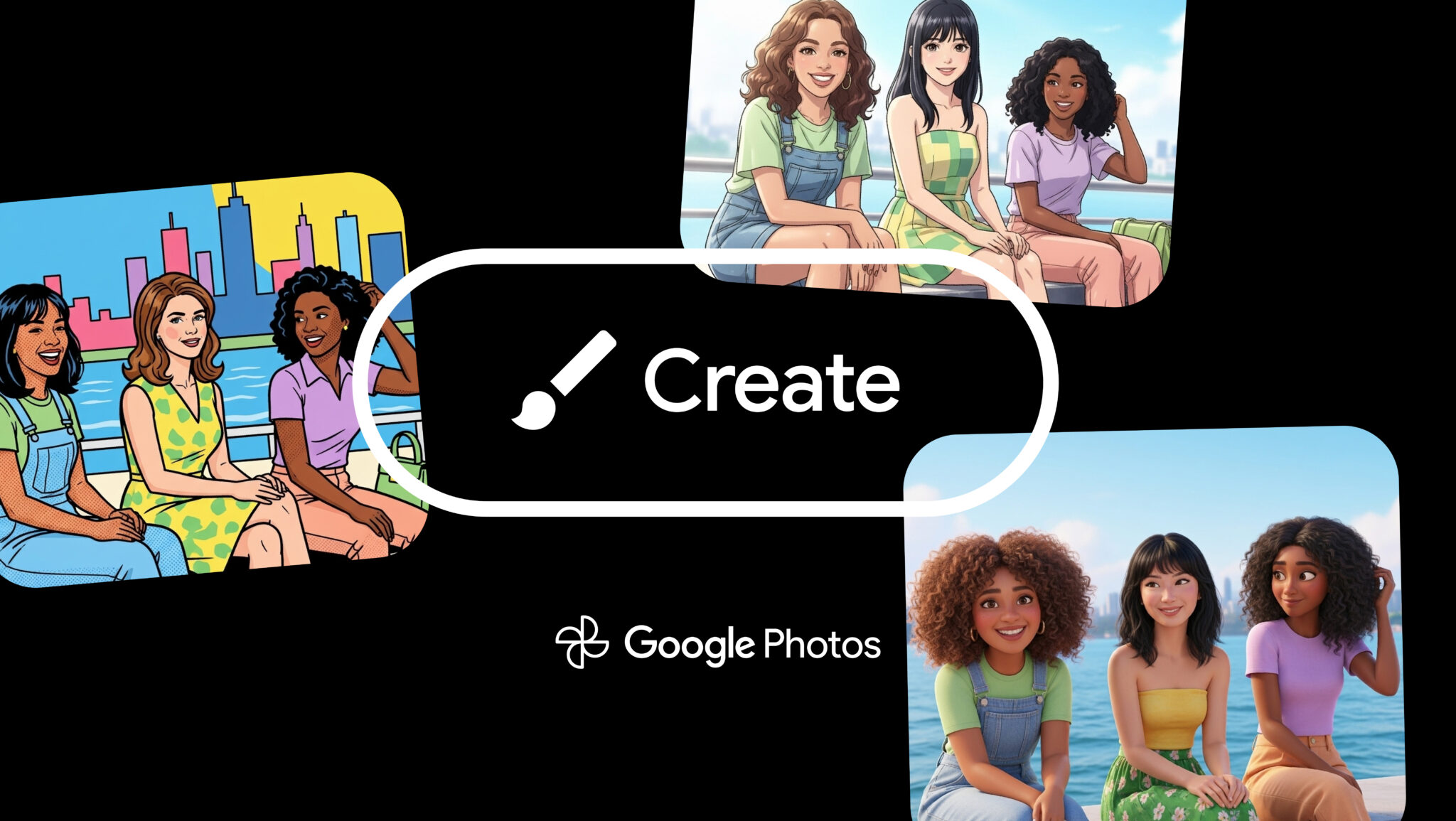
First, Ars Technica reports that Google is rolling out new AI video models across YouTube Shorts and Google Photos. This means AI-generated video content will become even more prevalent, potentially blurring the lines between reality and synthetic media. This raises questions about authenticity, artistic expression, and how we distinguish between human-created and AI-created content.
AI Everywhere: Microsoft Adds Copilot Vision to Windows 11, Apple Tweaks AI Summaries in iOS 26

Today’s news highlights the growing integration of AI into our everyday tech experiences. From Microsoft’s Windows 11 getting a host of new AI features to Apple continuing to refine its AI-powered tools in iOS 26, it’s clear that AI is becoming less of a novelty and more of a core component of the software we use daily.
Microsoft is rolling out a significant update to Windows 11, bringing several new AI-powered features to both standard PCs and Copilot Plus PCs. The most notable addition is Copilot Vision, a feature that allows Copilot to analyze what’s on your screen, offering context-aware assistance. They are also implementing a new AI-powered agent directly into the Settings app.
AI Takes the Lead: Physics Experiments, Job Replacements, and Apple's Training Secrets
Today’s AI news is a mixed bag, showcasing both the impressive potential and the unsettling implications of rapidly advancing artificial intelligence. From AI designing its own physics experiments to CEOs predicting job displacement, and Apple detailing how they’re training their models, it’s a day of significant developments.

One of the most fascinating stories comes from Quanta Magazine, which reports on how AI software is now capable of designing novel experimental protocols that can actually improve upon the work of human physicists. The AI’s insights even suggest that if these algorithms had been available during the construction of LIGO, the sensitivity could have been improved by 10-15%. This highlights the power of AI in scientific discovery, even if, as the article notes, the humans are still “doing a lot of baby-sitting.”
AI Just Got a Little More Personal, and Maybe a Little Less Secure: Today's AI Highlights
The AI world continues to evolve at a rapid pace, with today’s news highlighting advancements in personalization, potential security risks, and the ongoing debate about the role of AI in our lives. From ChatGPT gaining long-term memory to concerns about AI data security on Samsung devices, there’s a lot to unpack.

One of the most significant developments is OpenAI’s introduction of long-term memory in ChatGPT. This feature allows ChatGPT to recall details from past conversations, creating more personalized and context-aware interactions. Users can enable this memory feature in the settings, giving ChatGPT the ability to store and recall information. This advancement promises more seamless and relevant conversations, blurring the lines between interacting with a machine and engaging with a knowledgeable assistant.
AI is Moving to the Browser, While a Programmer Beats OpenAI at Coding
The AI landscape continues to evolve rapidly, with today’s headlines highlighting a shift in how we interact with AI and a reminder that human ingenuity still has a place in the world. From AI agents finding a home in web browsers to a human programmer outsmarting an OpenAI tool, here’s a breakdown of the day’s key AI developments.

The Verge reports on the move of AI from chatbots to web browsers, citing OpenAI’s ChatGPT Agent and Perplexity’s Comet as examples. This shift suggests a move towards AI agents that can perform tasks on behalf of users, integrating directly into our online experiences. While the technology is still in its early stages, with potential kinks to iron out, this evolution could redefine how we interact with the internet, transforming browsers from simple portals to proactive assistants.
AI Agents Take Center Stage: Browsers, Desktops, and the Fight Against Slop
Today, the AI landscape feels like it’s rapidly evolving beyond simple chatbots, pushing towards AI agents capable of more complex tasks. We’re seeing this shift manifest in browsers, desktops, and even in the tools we use to filter content.
The Verge reports that generative AI is making its move from chatbots to web browsers, exemplified by OpenAI’s ChatGPT Agent and Perplexity’s Comet. The idea is to create AI agents that can genuinely act on your behalf online, performing tasks rather than just answering questions. This is an ambitious goal, and while the technology may not be perfect yet, the direction is clear.
AI's Expanding Role: From Slack to Smartwatches and Ethical Considerations

Today’s AI news reflects the technology’s continued integration into our daily lives, from enhancing workplace productivity to pushing the boundaries of wearable technology. There’s also a critical look at the ethical implications of AI’s growing influence, particularly regarding job displacement.
First up, Slack is getting a serious AI upgrade. According to TechCrunch, the platform is integrating AI-powered search, along with transcriptions and summaries for huddles. This move aims to streamline workflows and make information retrieval more efficient. It’s another sign that AI is becoming an indispensable tool in the modern workplace, promising to alleviate some of the information overload that many professionals face daily.