AI in Healthcare, Business, and Our Gadgets: A Daily Dose
Today, the AI world is making strides in healthcare, infiltrating business strategies, and becoming more integrated into our everyday devices. Let’s dive into how AI is shaping our world right now.
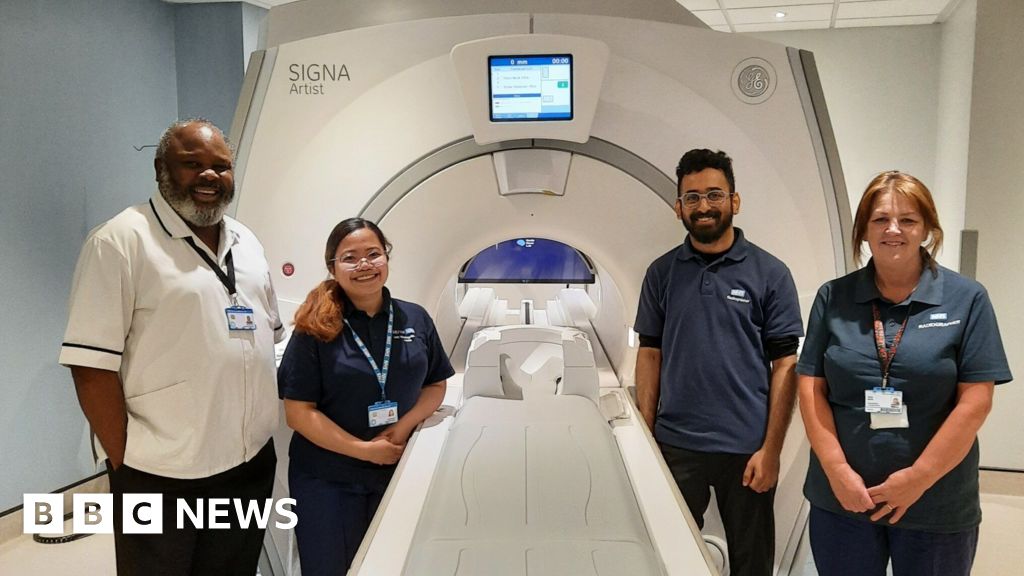
Starting with healthcare, BBC News reports that NHS hospitals in Hull are using AI to reduce MRI scan times. This is a significant development, as it allows them to scan more patients, addressing a critical need for quicker diagnosis and treatment. By using algorithms to help radiologists, the AI software is not replacing human expertise, but augmenting it to improve efficiency.
AI in Healthcare and NVIDIA's Desktop CPU Ambitions: Today's Top AI News
Today’s AI news highlights the increasing integration of AI in healthcare and a significant hardware development from NVIDIA that could reshape the desktop CPU market. From streamlining MRI scans to NVIDIA’s foray into desktop CPUs, AI continues to permeate various aspects of our lives.
The BBC reports that NHS hospitals in Hull are now using AI technology to accelerate MRI scan times. Hull University Teaching Hospitals NHS Trust reports that new software utilizing algorithms has helped reduce scan times, allowing them to see more patients. This is a concrete example of AI’s potential to improve healthcare efficiency and accessibility, reducing wait times and improving patient outcomes.
AI Update: Google Gemini Expands While Layoffs Prompt AI Emotion Management Advice

Today’s AI news showcases both the rapid advancement and integration of AI tools, as well as the sometimes unsettling implications of their use. Google continues to expand its AI offerings, while an ill-timed suggestion from an Xbox executive highlights the complexities of AI in the workplace.
Google is making moves to further integrate its Gemini AI model into everyday workflows. As reported by The Verge, Google’s customizable Gemini chatbots, known as “Gems,” are now directly accessible within Docs, Sheets, and Gmail. This allows users to leverage custom AI assistants without needing to switch between applications, streamlining tasks and potentially boosting productivity. Furthermore, TechCrunch reports that Google is rolling out its new Veo 3 video generation model to Gemini users in over 159 countries. This expansion brings advanced video creation capabilities to a wider audience, although it’s currently limited to paying subscribers.
AI on the Rise: E Ink Touchpads, Veo 3, and ChatGPT's Strange Number Obsession
Today’s AI news is a mix of exciting developments and quirky observations. From new hardware integrations to advancements in video generation and strange AI behaviors, the field continues to evolve in unexpected ways.

First up, E Ink is looking to integrate its low-power screen technology into laptop touchpads, creating a dedicated space for AI tools. According to The Verge, this new ePaper touchpad could offer a unique way to interact with AI applications, potentially turning your laptop’s touchpad into an e-reader for AI. This could be a game-changer for productivity, allowing users to access AI-powered assistants and tools without draining their laptop’s battery.
AI Takes Center Stage: Facebook's Photo Tool, Google's AI Mode, and More
Today’s AI news is a mixed bag, ranging from privacy concerns with Meta’s new AI-powered photo tool to intriguing developments in Google’s AI-driven search results and Apple potentially outsourcing its AI. Let’s dive into what’s shaping the AI landscape today.
First up, Meta’s continued foray into generative AI has led to a new feature on Facebook that’s raising eyebrows. According to CNET, the new AI photo tool requires users to share all their photos and videos with Meta. While the specifics of the tool are not detailed in this article, the implication is clear: using this feature means handing over your personal media to Meta’s cloud processing. This move highlights the ongoing tension between AI innovation and user privacy, a theme we’re likely to see repeated as AI becomes more deeply integrated into our digital lives.
AI in the Headlines: Siri's Potential Brain Boost, AI-Powered Phishing, and the Mystery of AI Creativity
Today’s AI news covers a broad spectrum, from potential upgrades to everyday tools like Siri, to the darker side of AI being weaponized by hackers, and finally, a fascinating look into the very nature of AI creativity itself. It’s a reminder of how deeply AI is becoming integrated into our lives, for better and sometimes for worse.

First up, Apple is reportedly in talks with Anthropic and OpenAI to potentially integrate their large language models (LLMs) into Siri. This could mean a significant upgrade to Siri’s capabilities, allowing for more natural and complex conversations, better understanding of user intent, and ultimately, a more useful and engaging virtual assistant. It signals a strategic shift for Apple, which has historically been more insular in its AI development.
AI Marches On: Coding Guidance, Classroom Tools, and Creativity Unveiled
Today, the world of AI continued its rapid evolution, touching everything from the code we write to the way students learn. Google issued company-wide AI coding guidance, while other news highlights AI’s role in education and a deeper look into the nature of AI creativity. Let’s dive into the details.

First up, Google is formalizing its approach to AI-assisted coding. With Sundar Pichai noting that over 30% of Google’s code is now AI-generated, the company has released guidance for its software engineers on how to best integrate AI into their workflows. This isn’t just about lines of code; it’s about shaping the future of software development within one of the world’s largest tech companies. This move signals a significant shift: AI isn’t just a side project, but a core component of Google’s engineering process. How this guidance impacts code quality, security, and innovation remains to be seen, but it’s a clear indicator of AI’s growing importance.
AI Takes Center Stage: From Gmail to Brain Implants, Today's Headlines Are Buzzing
Today’s AI news is a whirlwind, showcasing both the mundane and the mind-blowing. We’re seeing AI integrated into everyday tools like Gmail, controversies around AI use in gaming, and incredible advancements in brain-computer interfaces. Buckle up, because the AI revolution is happening in real-time.

First up, 9to5Google discusses how Google Photos is integrating AI features powered by Gemini, emphasizing a user-centric approach. It’s a reminder that while AI can be powerful, thoughtful implementation is key to ensure it enhances, rather than overwhelms, the user experience.
AI in the Headlines: From Sperm Searches to YouTube Slop, It's Been a Day
AI continues its relentless march into every corner of our lives, and today’s news is a testament to that. We’re seeing AI tackle deeply personal medical challenges, reshape our online experiences, and even spark a bit of backlash along the way. Let’s dive in.

In a heartwarming development, The Washington Post reports on how AI is being used to help infertile men find viable sperm. What used to take days in a lab, AI can now accomplish in hours, offering renewed hope for biological parenthood. This is AI at its best, tackling incredibly difficult problems with precision and speed.
AI Powers New Features and Raises Privacy Questions: Today's Headlines
Today’s AI news is a mixed bag, showcasing both the exciting potential and the growing concerns surrounding this rapidly evolving technology. From AI-powered features in everyday apps to questions about data privacy, the impact of AI is becoming increasingly pervasive.

First up, Google is experimenting with a new app called Doppl, which leverages AI to help you visualize how different outfits might look on you. According to TechCrunch, this app is available on both iOS and Android. It’s a fascinating glimpse into how AI can be used to enhance our everyday lives, making shopping and style decisions easier and more informed.