AI in the Headlines: Kids Get Gemini, Bungie Buffs AI, and IBM Shows off Granite 4.0
Today in AI, we’re seeing a mix of accessibility, gaming enhancements, and foundational model updates. Google is expanding access to AI for younger users, while game developers are upping the ante with AI-driven challenges. Meanwhile, IBM is giving the open-source community a sneak peek at its next-gen language models.

First up, Google is set to roll out Gemini apps to children under 13 who have Google Family Link accounts. This is a significant step in making AI more accessible to younger users, but it also raises important questions about safety, privacy, and responsible use. How will Google ensure that Gemini provides age-appropriate and safe interactions for kids? What safeguards are in place to prevent misuse or exposure to inappropriate content?
AI Safety Takes a Step Back? Today's News from Google
Today in AI, we’re looking at a somewhat concerning development out of Google. It seems that progress isn’t always linear, and even tech giants can stumble when it comes to AI safety.

According to a report by Kyle Wiggers at TechCrunch, “One of Google’s recent Gemini AI models scores worse on safety.” This isn’t just speculation; Google’s internal benchmarking indicates that the model actually performed worse than its predecessor in certain safety tests. The specifics of these tests remain somewhat vague, but it raises questions about the tradeoffs being made in the pursuit of more powerful AI. Are we sacrificing safety for speed and capabilities? It’s a crucial question as AI continues to integrate into more aspects of our lives.
AI Advances and Ethical Concerns Dominate Today's News
Today’s AI news paints a picture of both rapid advancement and growing ethical consideration. From Google’s expanded AI search capabilities to Microsoft’s competitive new AI model and concerns about AI companions for children, it’s a day of both excitement and caution.

First up, TechCrunch reports that Google is widening access to its “AI Mode,” a feature designed to let users ask complex, multi-part questions directly within Search. This suggests Google is pushing hard to integrate more sophisticated AI directly into its core products, aiming to make search a more conversational and in-depth experience.
AI Heats Up: Gemini Eyes iPhone, WhatsApp Gets Private AI, and More
Today’s AI news is a whirlwind, with big players making strategic moves and researchers raising ethical questions. From potential iPhone integrations to privacy-focused AI chats, the landscape is rapidly evolving.

The biggest headline comes from Sundar Pichai himself, who stated in court that Google hopes to integrate its Gemini AI service into iPhones this year. This would be a massive win for Google, placing its AI directly in the hands of millions of iPhone users. The implications for the search landscape and the broader AI assistant market are enormous. It remains to be seen what this means for Apple’s own AI ambitions.
AI in Overdrive: Microsoft Codes with AI, Google Enhances NotebookLM, and More

The world of AI is buzzing with activity today, from surprising statistics about AI’s role in coding to expansions in AI-powered learning tools. Buckle up as we dive into the most noteworthy AI developments shaping our tech landscape.
The most striking headline comes from Microsoft, where CEO Satya Nadella revealed that a significant portion – 20% to 30% – of the company’s code is now being written by AI. This revelation, shared during a chat with Meta CEO Mark Zuckerberg, highlights the accelerating integration of AI into core software development processes. The implications are huge, hinting at faster development cycles, potential shifts in developer roles, and a future where humans and AI collaborate closely in building software. Read more on TechCrunch.
AI's Expanding Reach: Duolingo's AI-First Pivot and the Exponential Growth of AI Capabilities

Today’s AI news paints a picture of both rapid advancement and significant shifts in how AI is being integrated into our lives and workplaces. From language learning apps embracing AI to replace human workers, to insights into the accelerating complexity AI systems can handle, it’s a day of substantial developments in the field.
One of the more striking headlines comes from The Verge, reporting that Duolingo plans to “gradually stop using contractors to do work that AI can handle.” This announcement, made by CEO Luis von Ahn, signals a major strategic shift towards an “AI-first” approach. While the specifics of which tasks AI will take over remain unclear, this decision underscores the growing confidence companies have in AI’s ability to perform tasks previously reserved for human workers. It also raises important questions about the future of work and the role of contractors in an increasingly automated world.
AI in the Headlines: Chatbots, Job Automation, and Exponential Growth
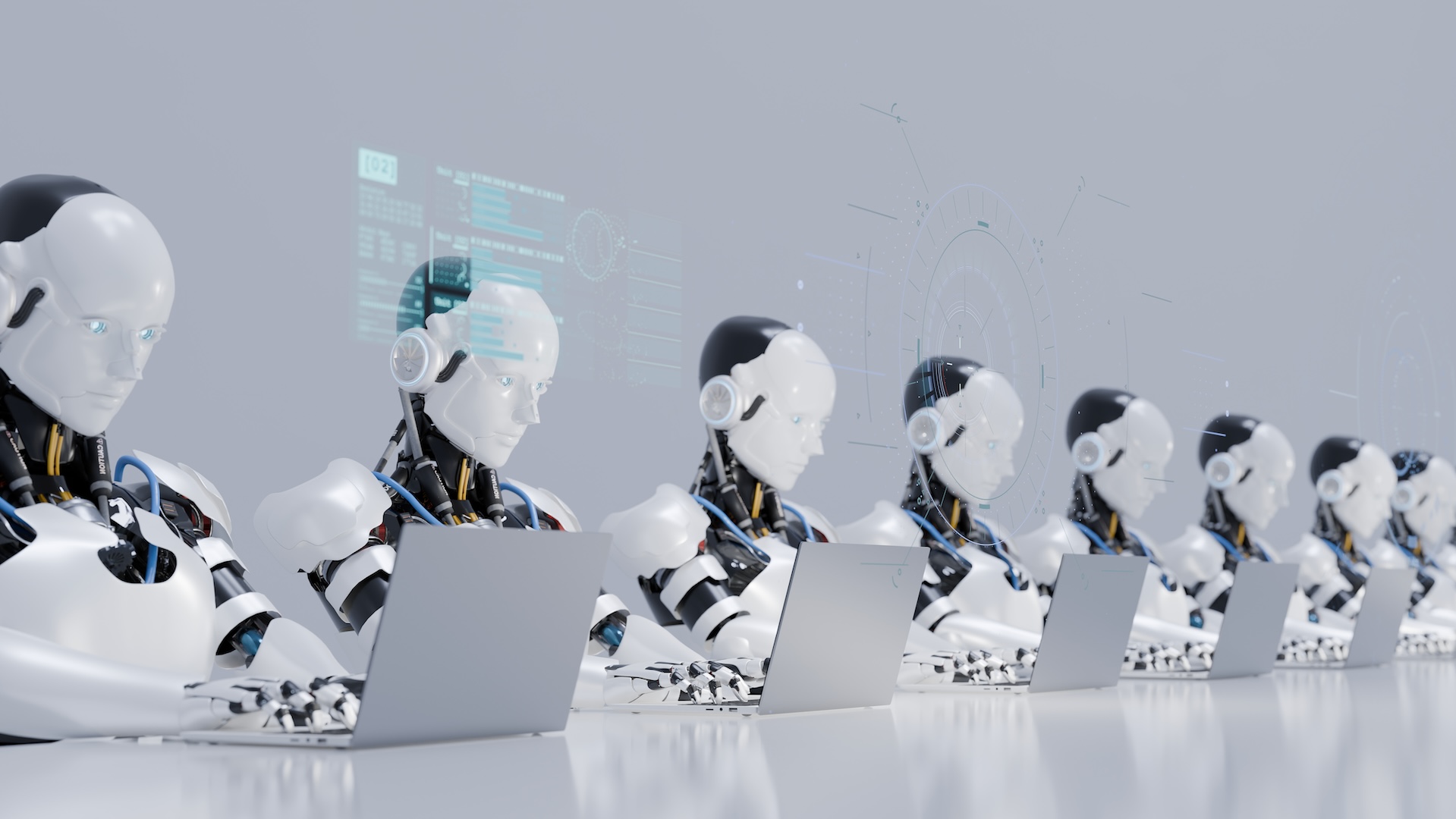
Today’s AI news paints a picture of both rapid advancement and potential pitfalls. From AI-staffed companies to ethical concerns surrounding chatbots, it’s clear that the development and deployment of AI technologies require careful consideration. Let’s dive into the key stories making waves today.
First up, an experiment by researchers at Carnegie Mellon University explored the idea of staffing an entire company with AI agents. According to Futurism, the results were “dismal,” suggesting that we’re not quite at the point where AI can fully replace human workers in many roles. This serves as a reminder that while AI has made significant strides, it still has limitations and may be best suited for augmenting human capabilities rather than replacing them entirely.
AI in the Headlines: From Understanding Thought to Content Theft Lawsuits
Today’s AI news is a mixed bag, ranging from philosophical discussions about how AI “thinks” to the more practical implications of AI development, such as copyright infringement lawsuits and new AI-powered features in everyday devices. It’s a day that highlights both the potential and the pitfalls of this rapidly evolving technology.
First up, an intriguing piece in The Wall Street Journal dives into the inner workings of AI, questioning whether it truly “thinks” at all. The article suggests that AI’s processes are far from the complex cognitive functions we associate with human thought, offering a more mechanistic view of how these systems operate. This kind of analysis is crucial as we continue to integrate AI into more aspects of our lives, prompting us to consider the true nature of its intelligence and its limitations.
Microsoft's AI Push Continues with Recall and Enhanced Windows Search

Today’s AI news is dominated by Microsoft’s continued integration of AI features into its Windows operating system. The tech giant is rolling out Recall, an AI-powered Windows search, and Click to Do, all designed to enhance the user experience on Copilot Plus PCs.
According to The Verge, Recall aims to revolutionize how users find information on their computers. By leveraging AI, Windows search is becoming more intuitive and capable of understanding natural language queries. This means users can ask more complex questions and receive more relevant results, streamlining the process of finding files, documents, and other information.
AI in the Hot Seat: Adobe's Ethical Crawlers and Google's...Idioms?

Today’s AI news paints a picture of an industry grappling with both immense potential and some serious growing pains. From Adobe’s attempt to wrangle AI training data to Google’s, shall we say, creative interpretations, it’s been a day of ethical considerations and, well, amusing failures.
First up, Adobe is stepping into the arena of ethical AI training. Recognizing the concerns around using copyrighted images in AI datasets, they’re proposing a “robots.txt-styled indicator” for images. This would allow website owners to specify whether or not their images can be used for AI training purposes, giving artists and creators more control over their work. It’s a welcome move towards responsible AI development and addresses a key concern about the exploitation of creative content. You can read more about it on TechCrunch.